Products
Learn More>


Products Center
WBE Provides The Safest Choice Of Environmental Test Chambers For Your Industry
Environment Test Chamber
Thermal Shock Chamber
Rapid Temperature Change Test Chanber
Mechanical testing machine
Guangdong WBE Instrument Technology Co., LTD.
WBE was established in 1995, headquartered in Guangdong-Hong Kong-Macao Greater Bay Area - Dongguan. Is a research and development, production, sales, service in one of...


Industry Applications
WBE provides professional testing solutions including precision testing, temperature and humidity testing, etc. for the fields of semiconductors, defense equipment, energy storage, automotive transportation, and information communications.

Semiconductor Industry

Military industry

Automotive electronics industry

New energy industry
News
Explore professional industry news and cutting-edge insights
WBE officially shifts the landscape as China's first manufacturer to achieve full independent R&D and large-scale mass production of Bond Testing Machines.

Walk-in high and low temperature (humidity and heat) low pressure vibration comprehensive test chamber - escort for product reliability in extreme environments!

To kick off 2026, driven by factors such as AI production expansion, surging storage demand, and increasing localization rates, the logic of domestic substitution has deepened alongside an explosion in AI computing needs. This has sparked a vigorous surge in growth for the semiconductor equipment industry at the start of the year.

في الصناعات عالية التقنية مثل تغليف أشباه الموصلات، وتصنيع أجهزة الاتصالات البصرية، وتغليف LED، تحدد موثوقية وصلات اللحام الصغيرة وهياكل التوصيل نجاح أو فشل المنتج بشكل مباشر. يمكن أن تؤدي عيوب اللحام الصغيرة إلى فشل النظام الإلكتروني بأكمله.

في مجالات الإلكترونيات والسيارات والطيران والبحث والتطوير في المواد، يعد اختبار الموثوقية البيئية الحارس النهائي لجودة المنتج. في مواجهة مجموعة مذهلة من معدات الاختبار في السوق، كيف يمكن اتخاذ قرار مستنير بين غرفة اختبار ذات طبقتين في درجات حرارة عالية ومنخفضة وغرفة اختبار تقليدية ذات طبقة واحدة بدرجات حرارة عالية ومنخفضة؟ سيقدم هذا المقال تحليلا معمقا للفروق التقنية، والسيناريوهات القابلة للتطبيق، واستراتيجيات الاختيار بين الطرفين.

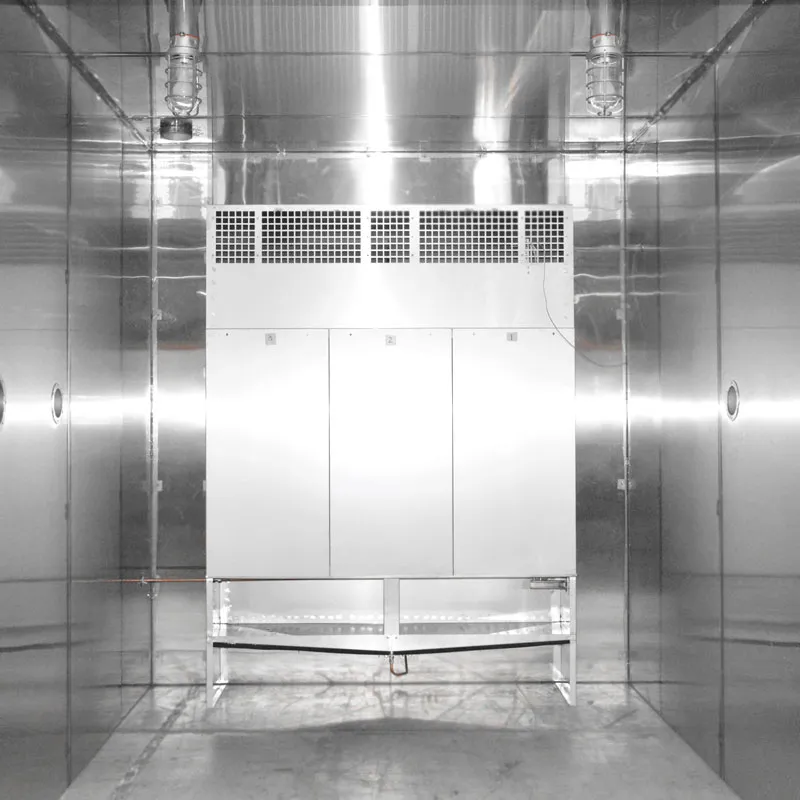
Walk-in environmental chambers keep a large interior uniform by moving air in one deliberate path — supply along the top, return along the bottom — and by placing sensors where the product actually sits rather than where the controller is mounted.
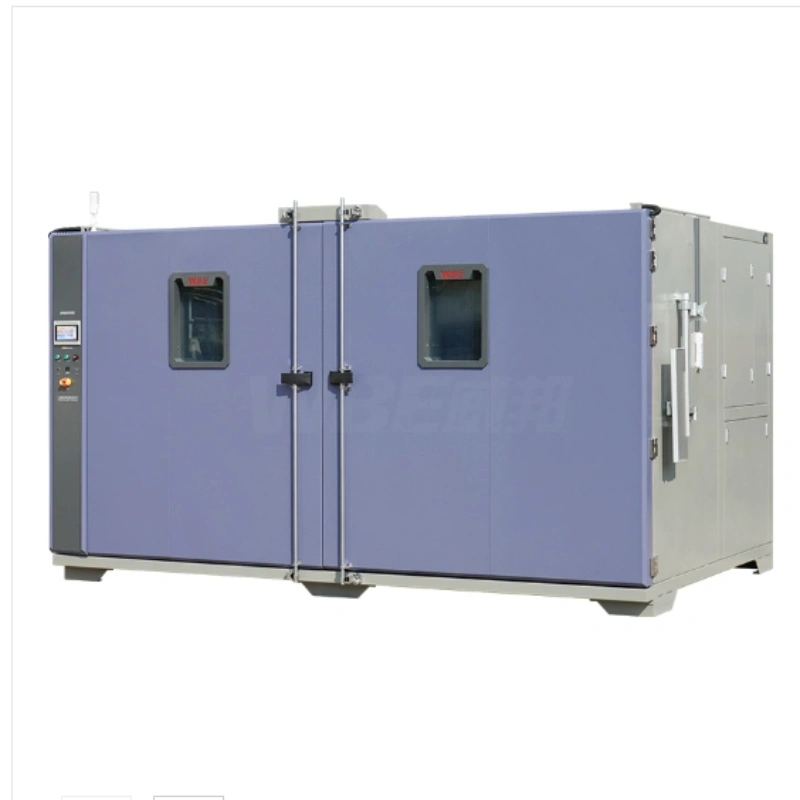
Walk-in environmental chambers save you in three places a bank of smaller cabinets cannot match: one load holds whole assemblies instead of many, one footprint replaces a row, and one large refrigeration circuit runs steadily where several small ones would short cycle.
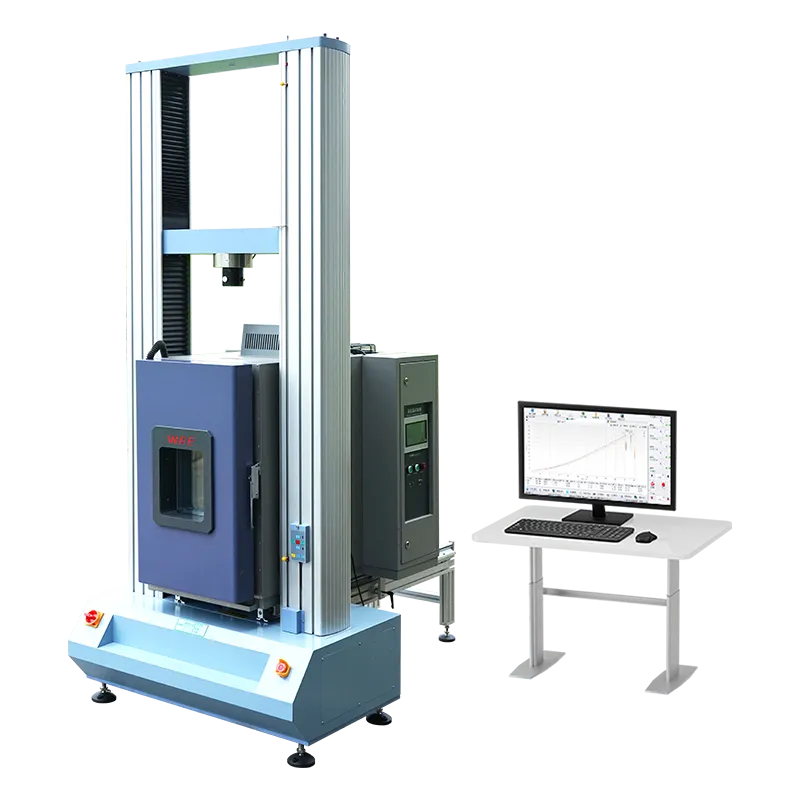
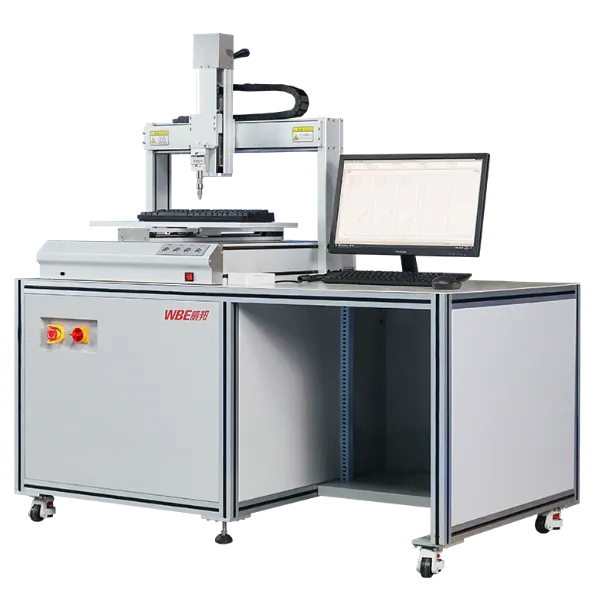
A universal testing machine cannot replace a bond tester, a torque machine or an environmental tensile rig, and the reason is geometry as much as force. It is a generalist: it handles seven test types across a wide force range, and for micro joints, spinning parts and hot specimens a specialist frame simply fits the part better.
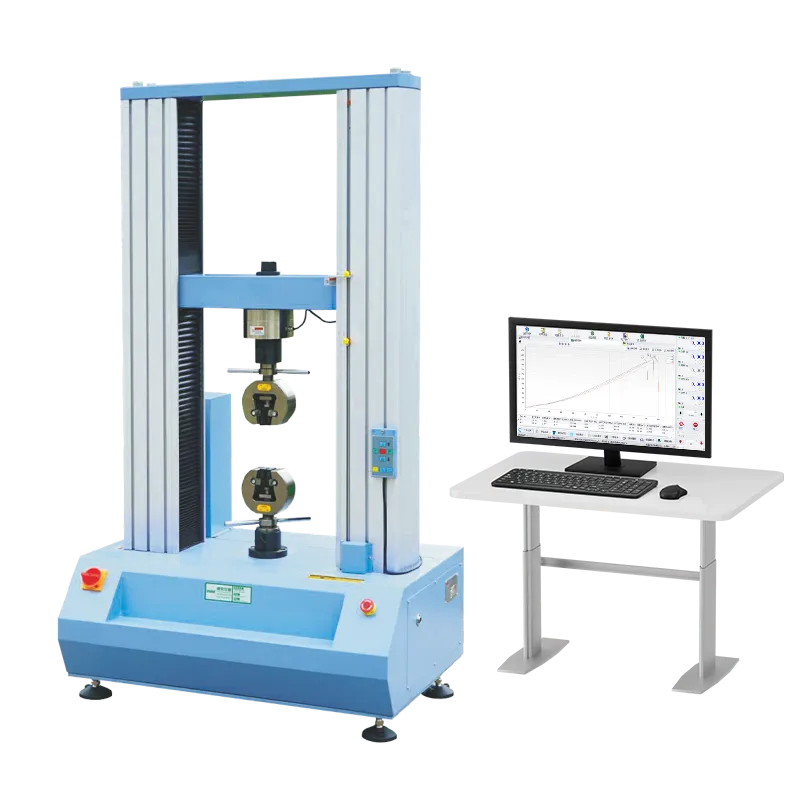
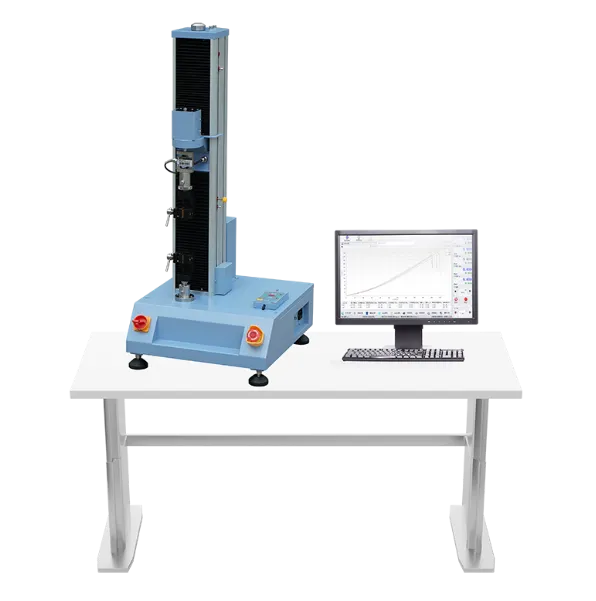
Strain rate control on a universal testing machine changes your tensile result more than most labs expect. Run the same specimen under two control modes and you can get two different yield numbers, because the material feels the difference between a slow pull and a fast one. That single fact is why standards spend pages on rate, and why a machine that cannot hold a rate cannot claim to follow a method.
A thermal shock test chamber is not one machine. It is a family, and the structure you buy decides which failures your product can ever show you. Two-zone basket chambers move the sample between hot air and cold air. Three-zone thermal-storage chambers hold the sample completely still and switch the air around it.
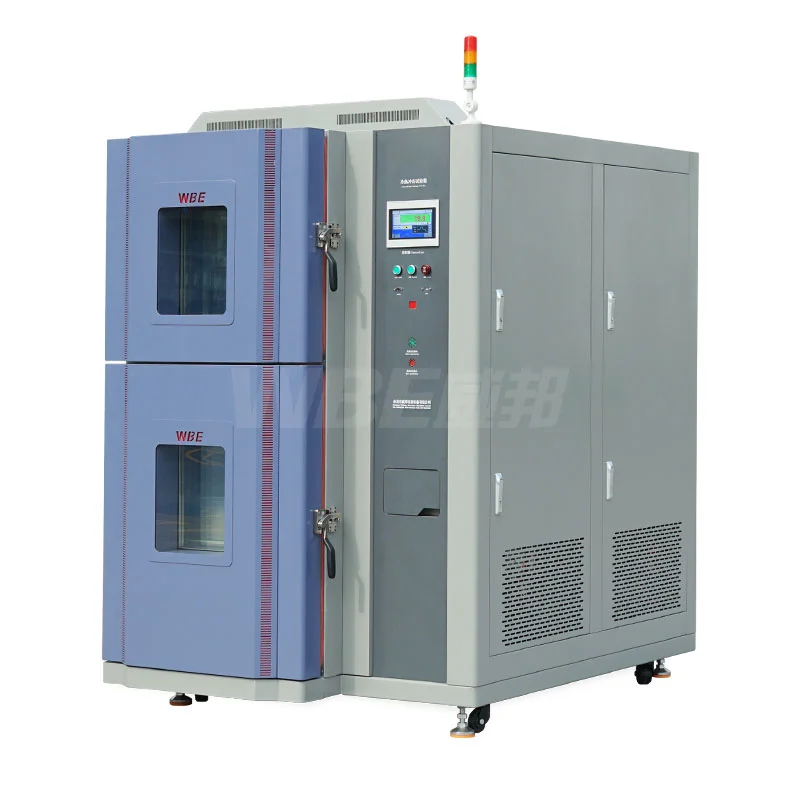
No standard tests your product. A profile does. A thermal shock test chamber only ever executes a small set of numbers you type into a controller, and every standard you have ever been handed is really a way of telling you which numbers to use. That is the entire trick, and it is why the same machine can serve a defence programme, a semiconductor qualification and a civil product file without contradiction.
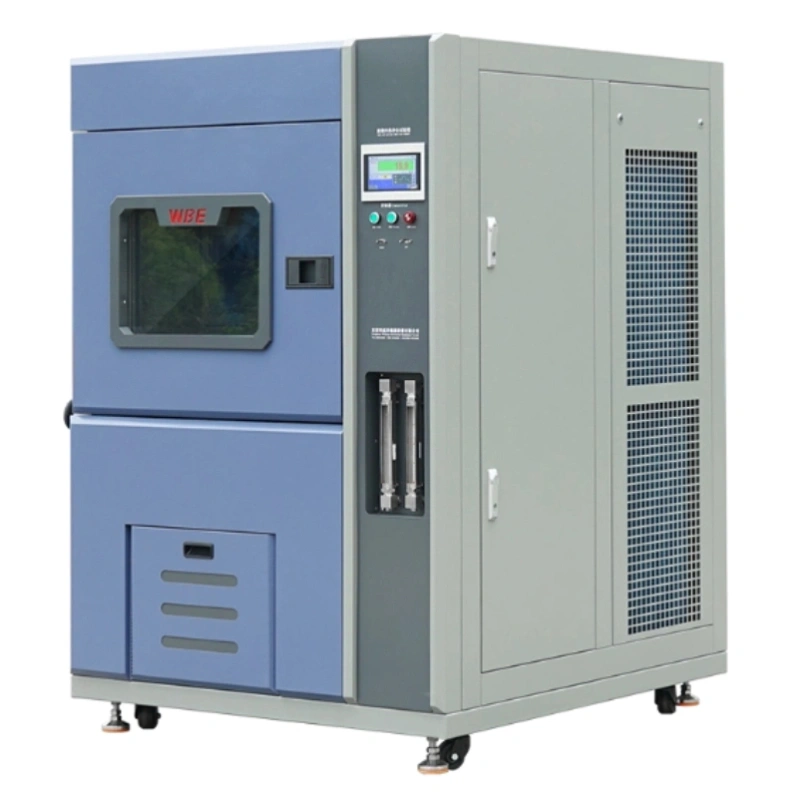
A reliability testing equipment matrix is built backwards from how the product fails, not forwards from the machines you already own. Start with the failure mechanisms that actually retire the product in the field — corrosion, joint fatigue, connector wear, housing stress — and only then pick the test that reproduces each one.
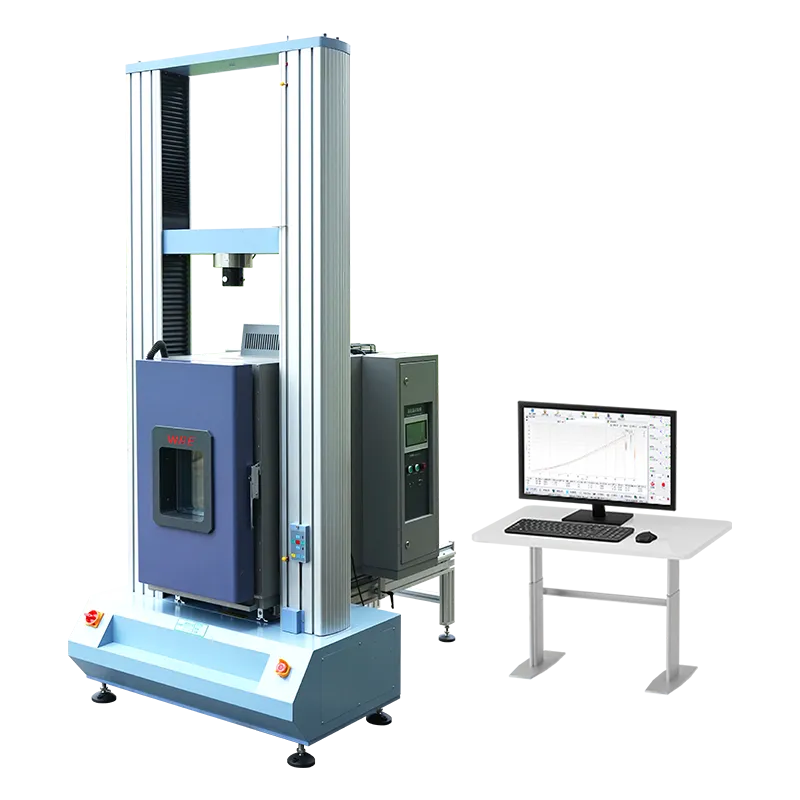
A complete reliability testing equipment lineup is not a longer catalogue. It is four groups of machines, each one aimed at a different failure mechanism, and it only becomes a real capability when you can move a sample from one group to the next without losing its history.
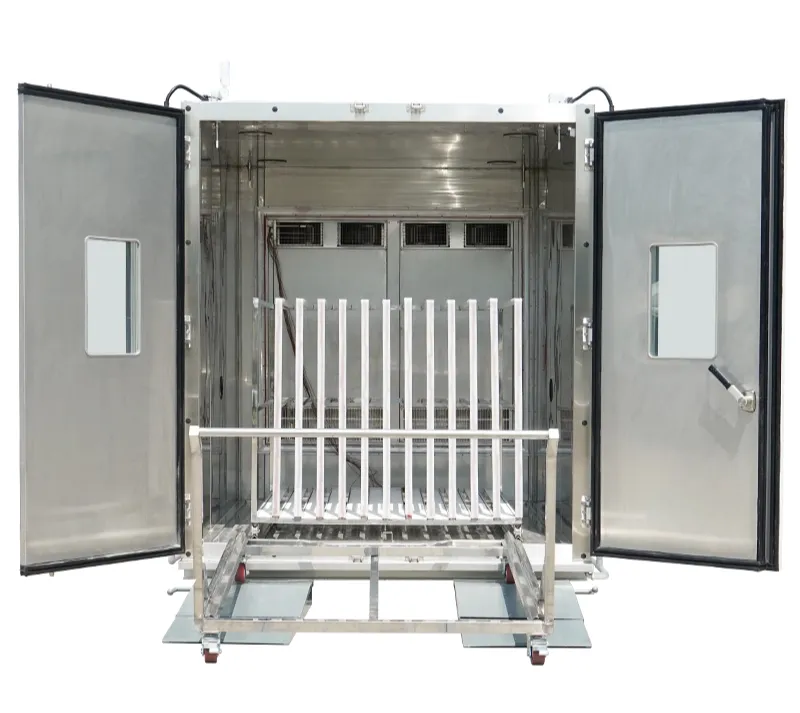
A rapid rate temperature exchange chamber does not invent new failure mechanisms. It compresses the time axis of mechanisms that were always there, which is why a part that survived years in the field can crack in a week on the bench.
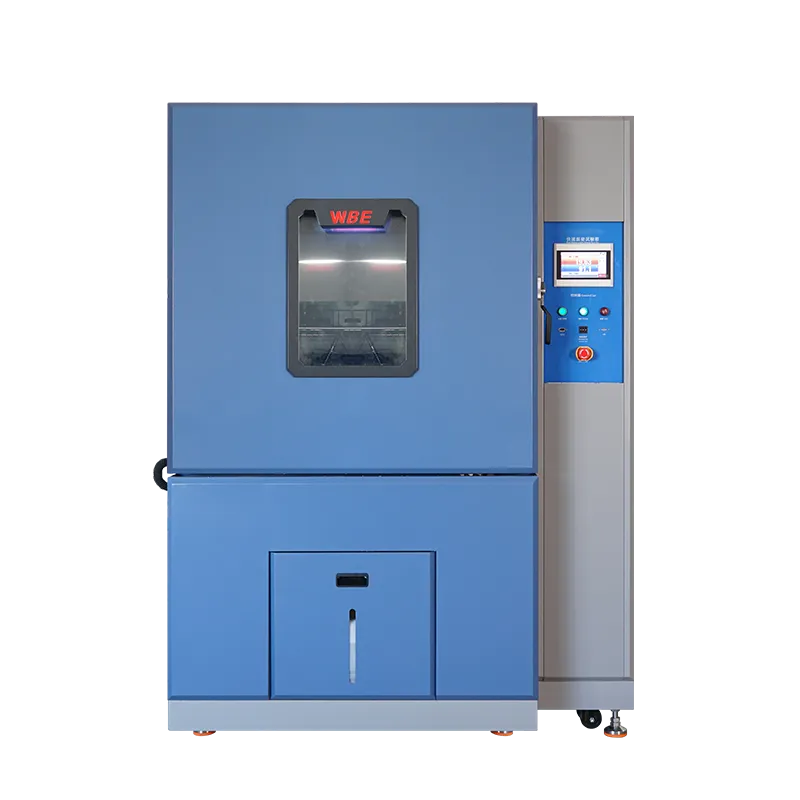
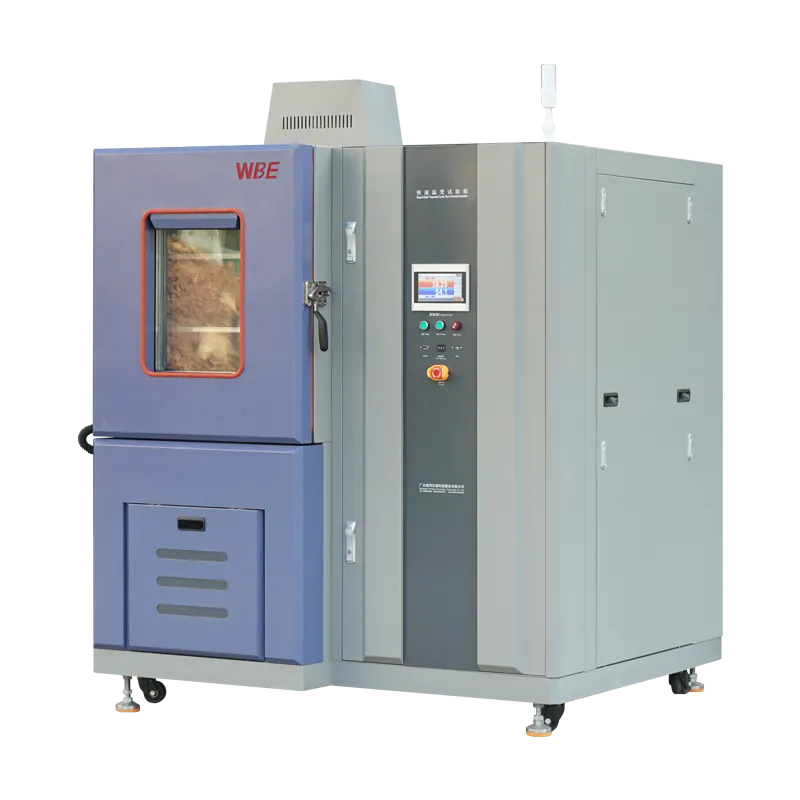
A rapid rate temperature exchange chamber is a production instrument, not a development instrument, and confusing those two roles is the most expensive mistake we see in environmental stress screening. ESS exists to catch manufacturing defects on a design you have already validated, using a profile you have already proved.
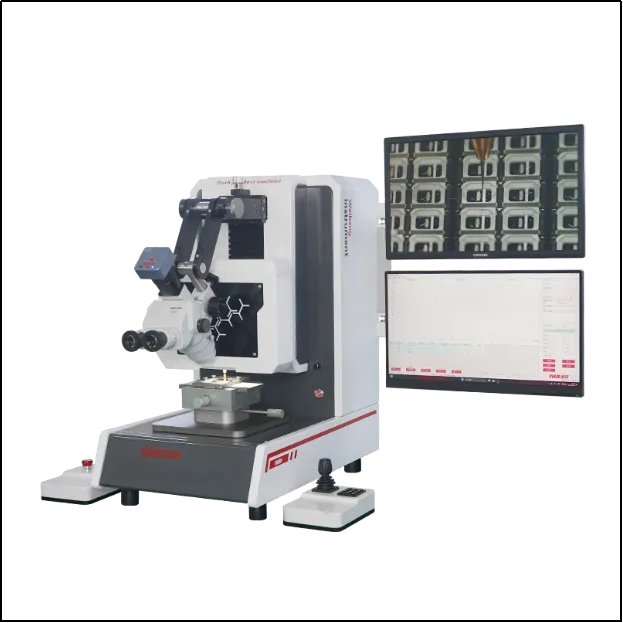
A push-pull testing machine can pull, shear and push, but that flexibility is exactly where trouble starts. The three modes do not measure the same physical quantity, so substituting one for another does not simply change the number — it changes what the number means.
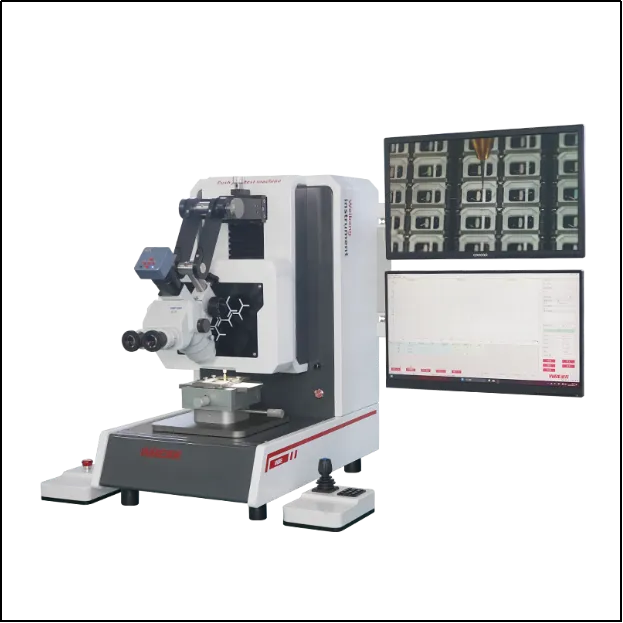
A push-pull testing machine produces a force number, and a force number on its own is a poor basis for a pass or fail decision. The same peak can come from a healthy bond, a partially peeled interface, or a tool that contacted the wrong surface, and if you only read the peak you will eventually reject good parts and accept bad ones.
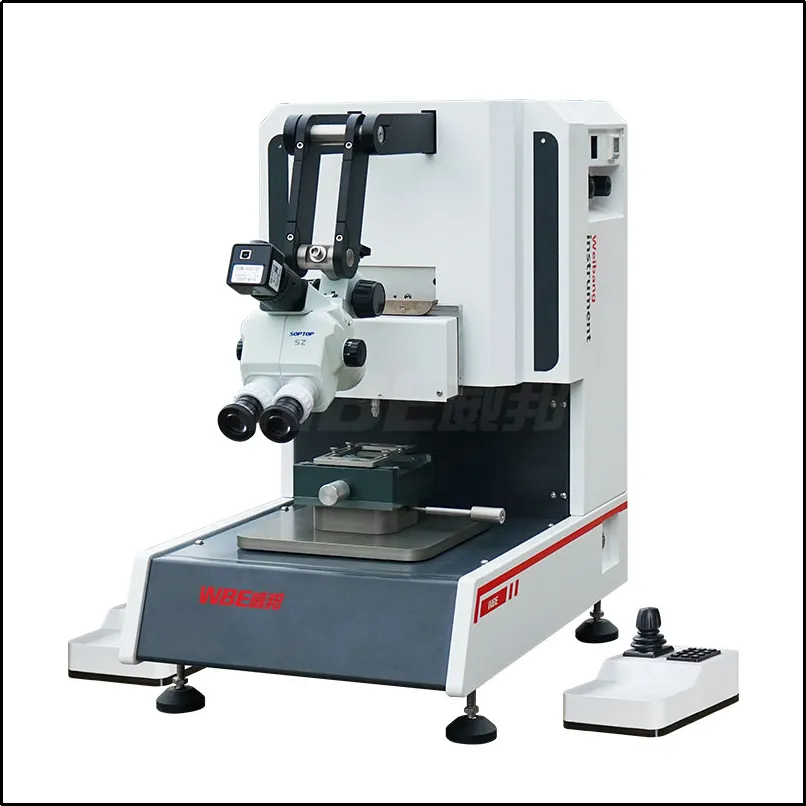
A mechanical testing machine rated Level 0.5 is telling you something specific: that its indicated force stays inside a tight error band across a wide working range, and that its rate control holds the same discipline. It is not telling you that the readout is fine to the last digit.
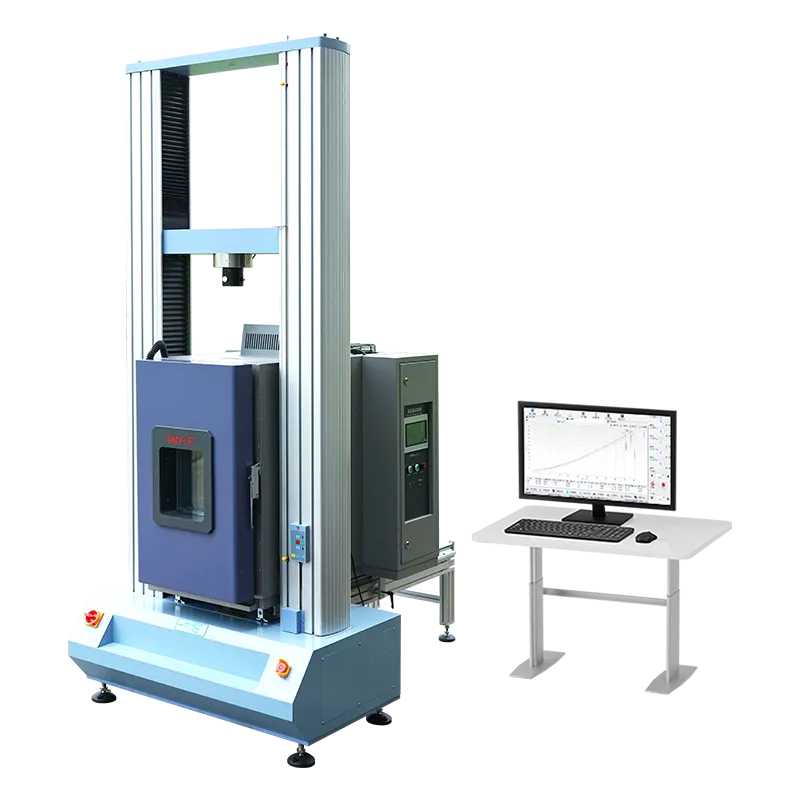
No standard tells you which environmental test chambers to buy. That is the first thing worth understanding, and it is the thing most buyers get wrong. A standard gives you four items and nothing more: the condition to hold, the tolerance band around it, how long to hold it, and how to measure it.
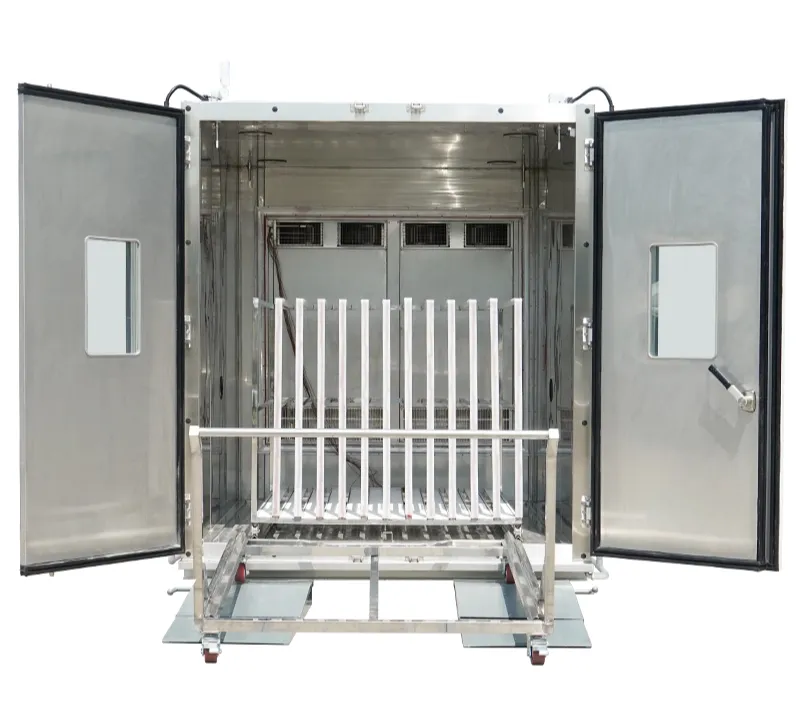
Audit-ready data is not the report you write after the run. It is the raw, timestamped record that environmental test chambers wrote while the run was happening, kept in a form a stranger can follow back to one channel and one clock. We have sat in audit rooms where a laboratory had every chart it needed and still collected findings, because the numbers behind those charts could not be traced to a named sensor, a documented location and a defensible moment in time.
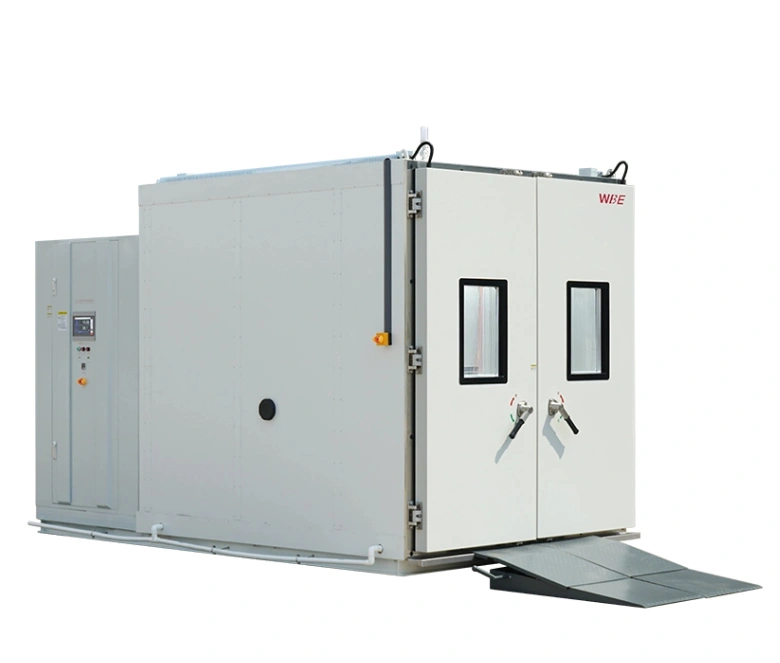
A comprehensive guide to understanding the mechanics, calibration, and industrial applications of the universal testing machine in modern material science.
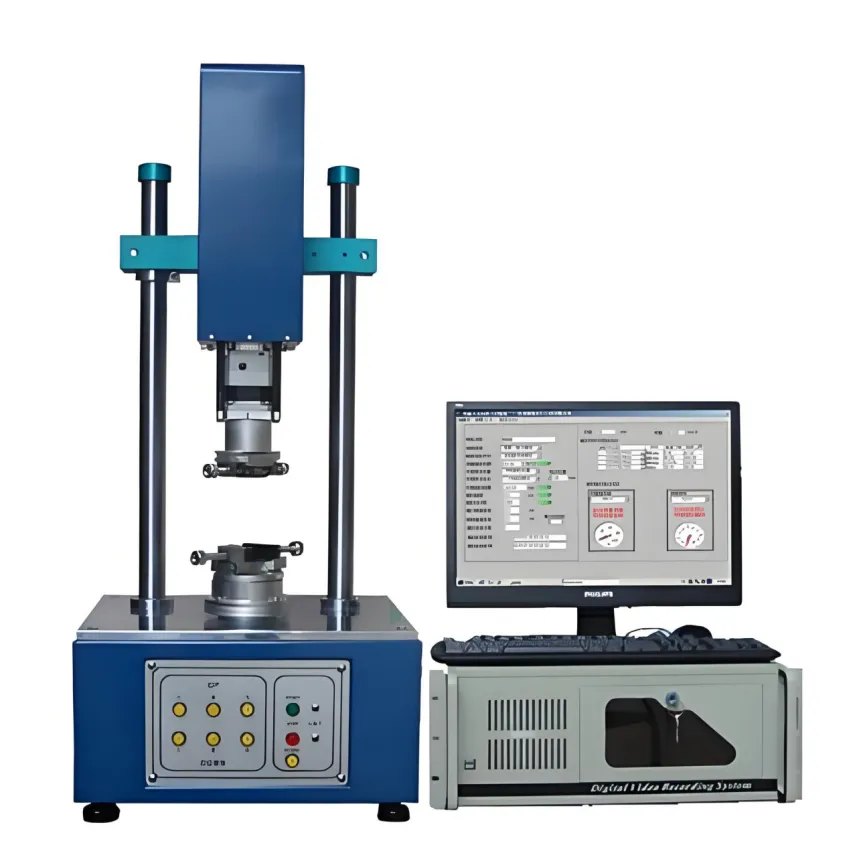
A comprehensive guide to material characterization, mechanical validation, and the versatility of the modern Universal Testing Machine in global manufacturing.
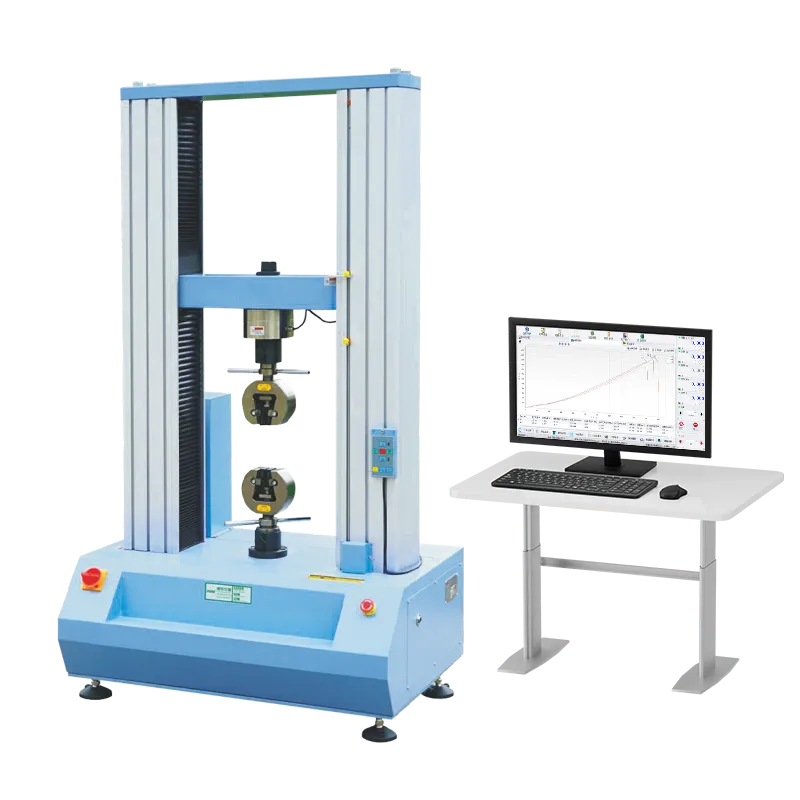
In the competitive landscape of modern manufacturing, the difference between a market leader and a struggling brand often comes down to one factor: product reliability. High-performance reliability testing equipment serves as the frontline defense against unexpected product failures, ensuring that every component meets the highest standards before reaching the end consumer.
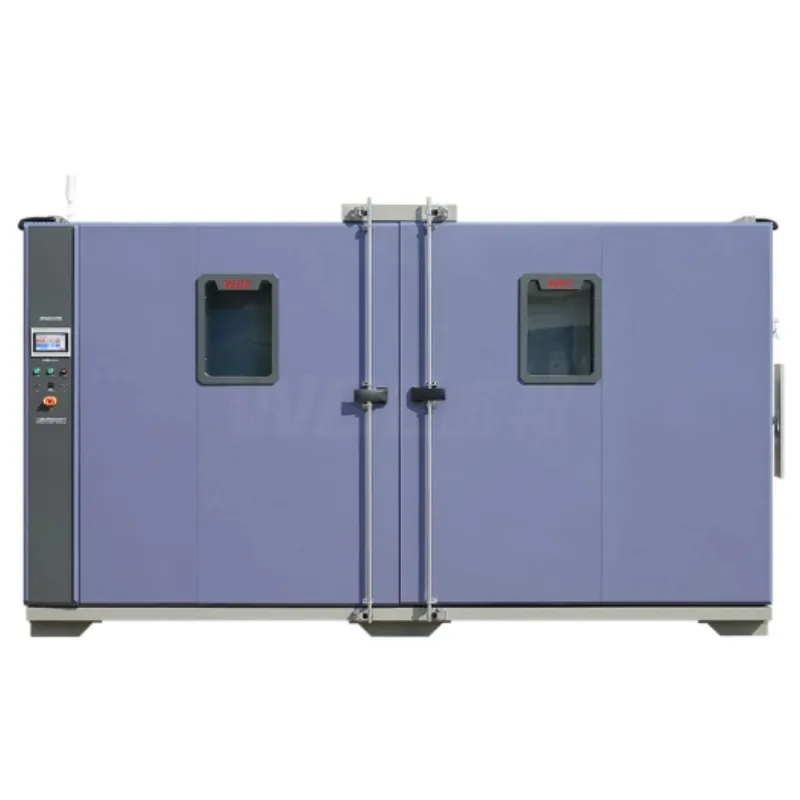
A comprehensive guide to understanding environmental and mechanical stress testing in the modern industrial landscape.
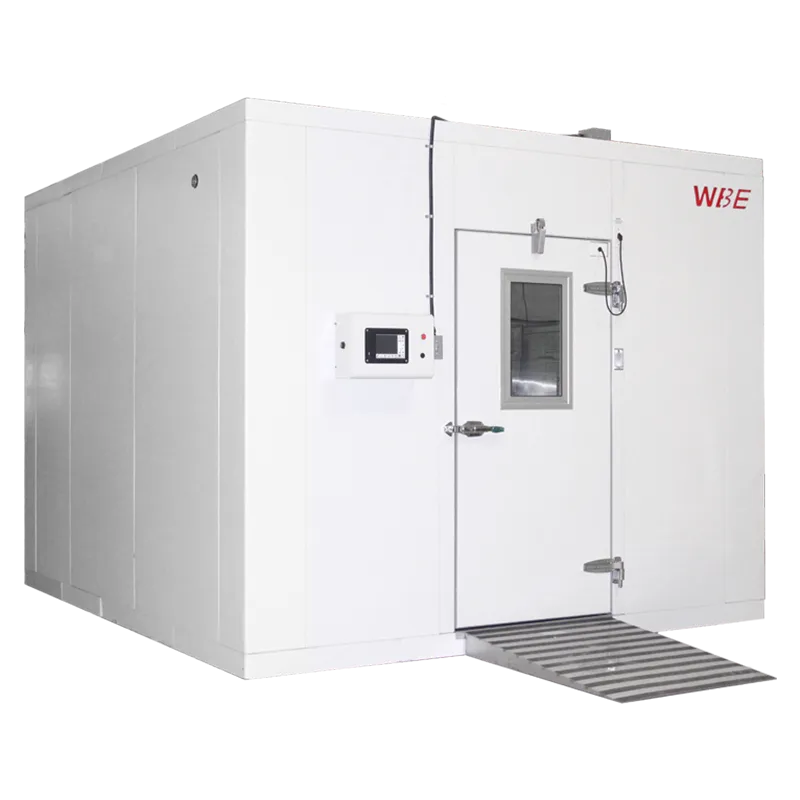
An in-depth exploration into the engineering, methodology, and critical reliability insights provided by advanced thermal simulation technology.
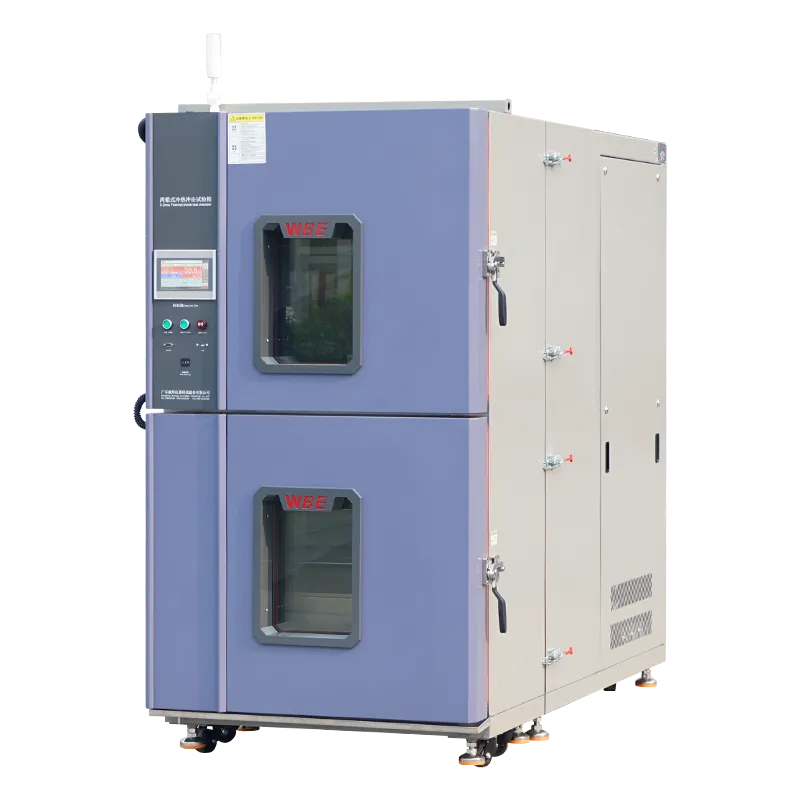
In the modern manufacturing landscape, ensuring product durability under extreme conditions is not just an advantage; it is a necessity. A thermal shock test chamber serves as a critical tool for engineers to simulate rapid temperature transitions that materials might encounter during their lifecycle.
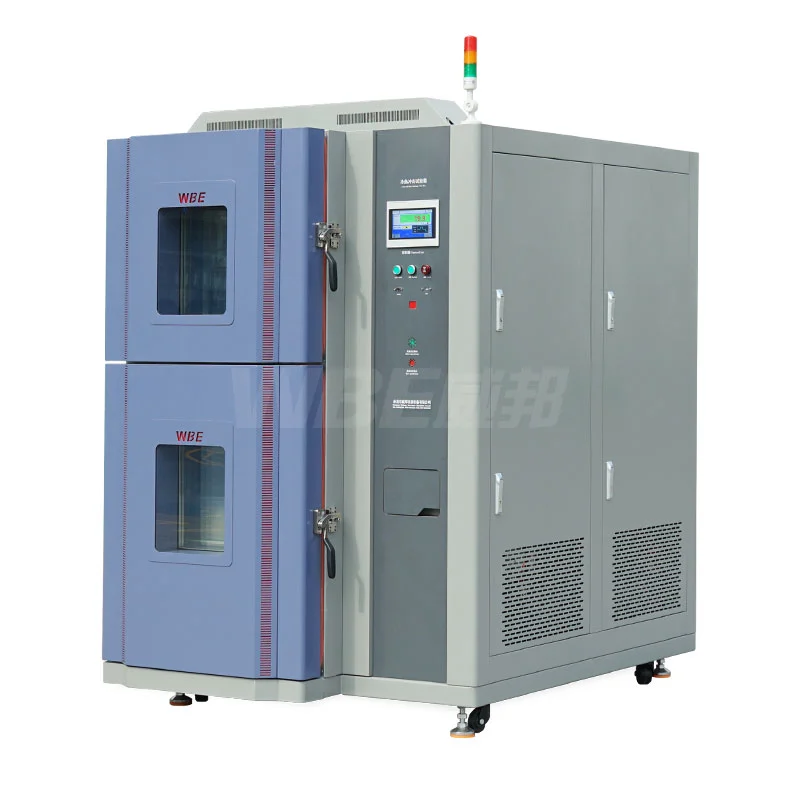
In the precision-driven world of electronics and mechanical assembly, the reliability of a connector, a switch, or a semiconductor bond is paramount. Manufacturers must ensure that components can withstand the stresses of repeated use without failing.
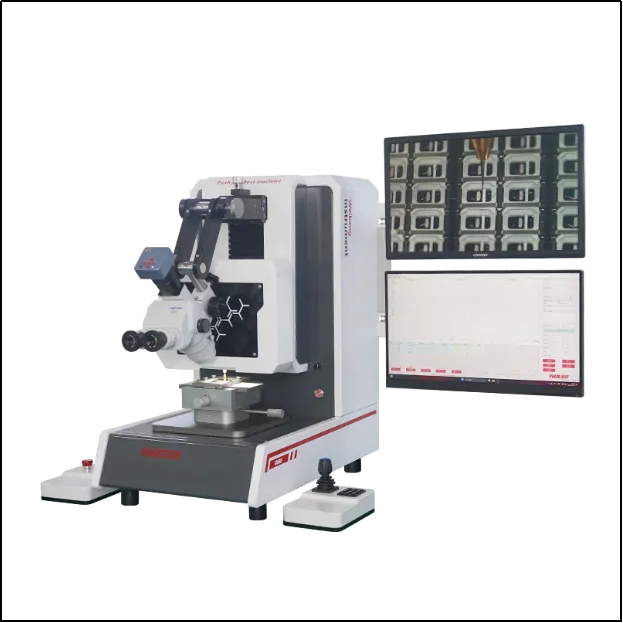
In the rapidly evolving world of electronics manufacturing, the reliability of individual components determines the success of the entire system. Among these components, connectors play a pivotal role in ensuring seamless data transmission and power supply.
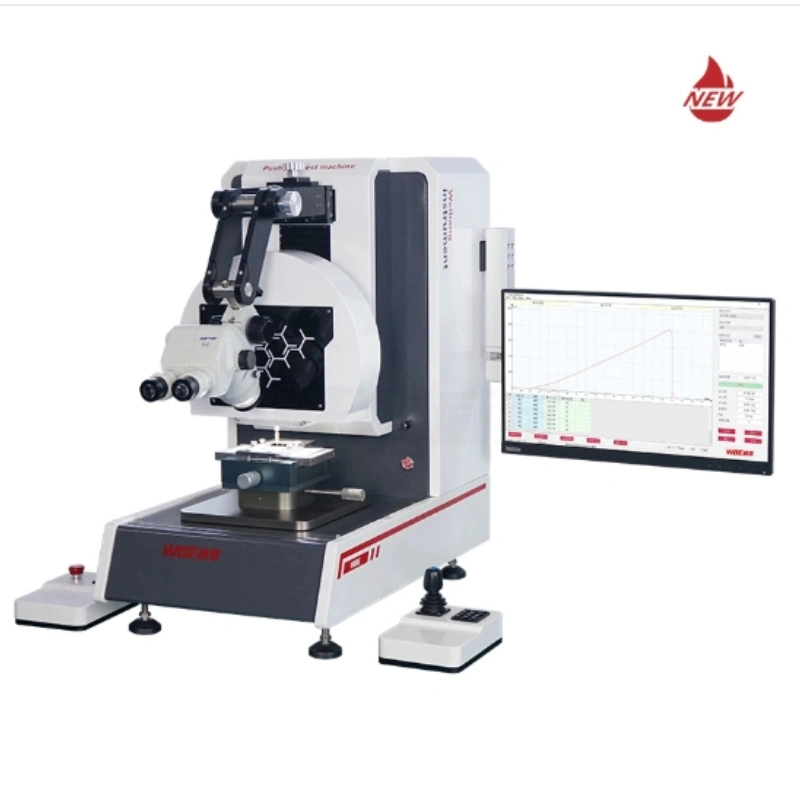
In the world of modern manufacturing and engineering, material integrity is the foundation of safety and performance. To verify this integrity, engineers rely on a sophisticated mechanical testing machine to provide quantitative data on how materials behave under stress.
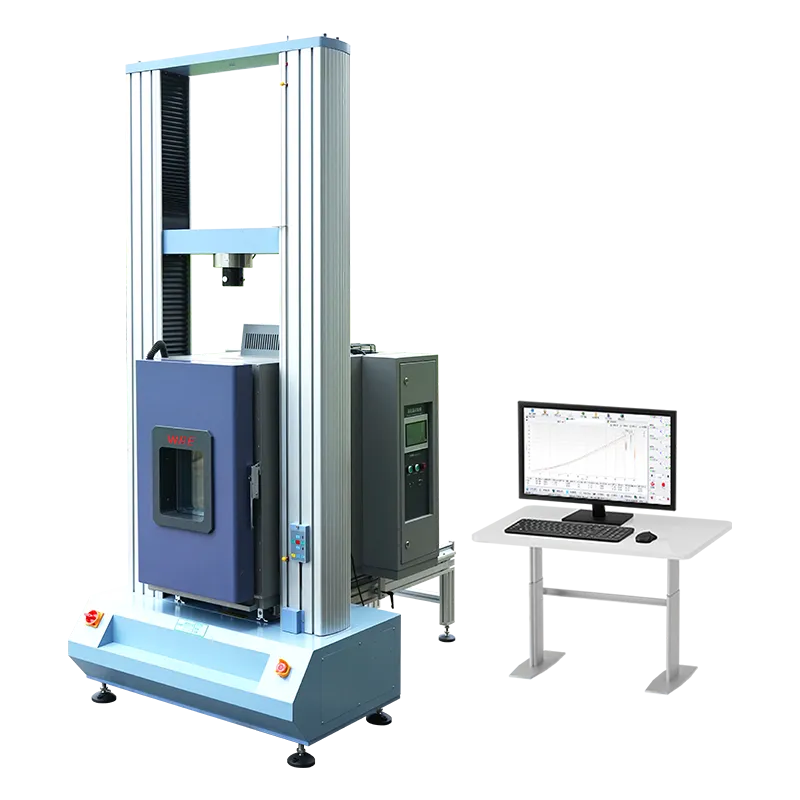
An authoritative guide to understanding the role, functionality, and industrial significance of high-precision material validation systems.
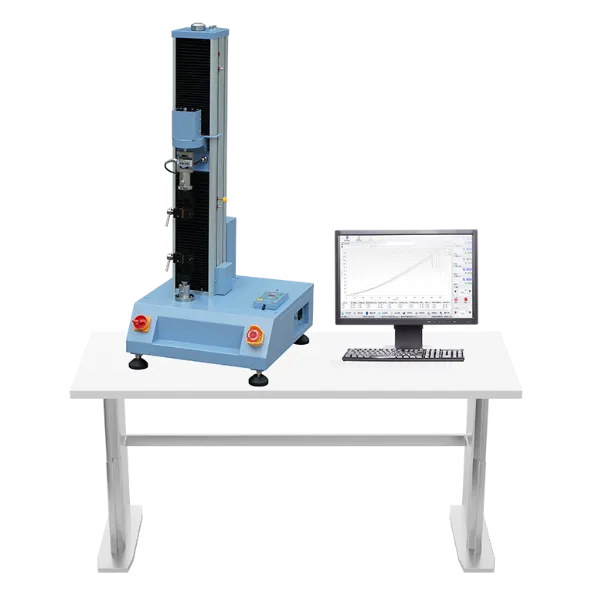
In the realm of advanced industrial manufacturing and quality assurance, the ability to simulate extreme environmental conditions is paramount. For large-scale products such as electric vehicle battery packs, aerospace components, and telecommunications infrastructure, standard benchtop testers are insufficient.
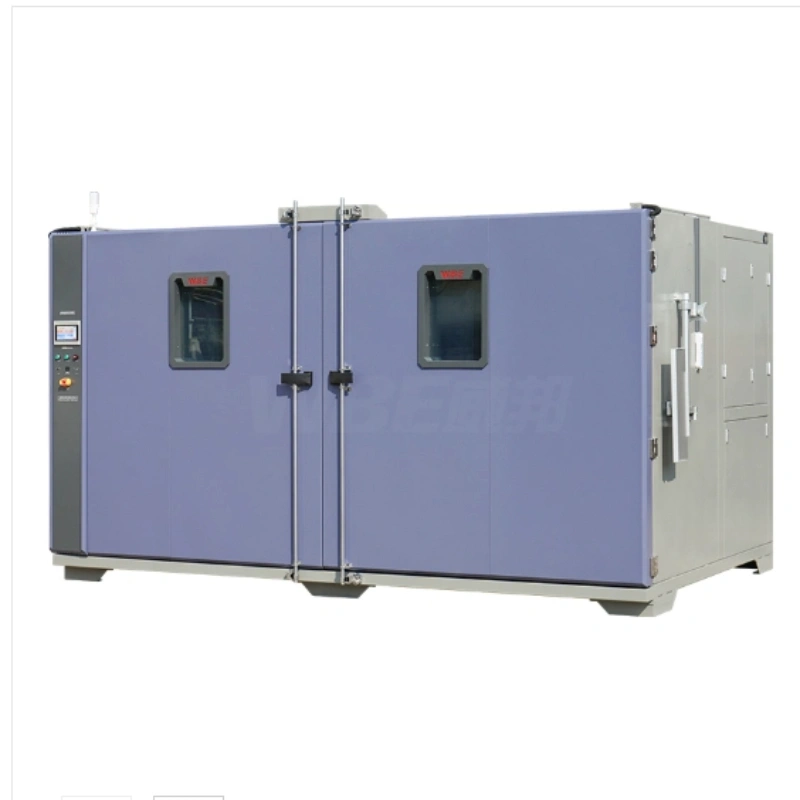
In the modern industrial landscape, the pursuit of product reliability has moved far beyond simple benchtop assessments. As industries like electric vehicles (EV), aerospace, and renewable energy expand, the components they produce have grown significantly in size and complexity.
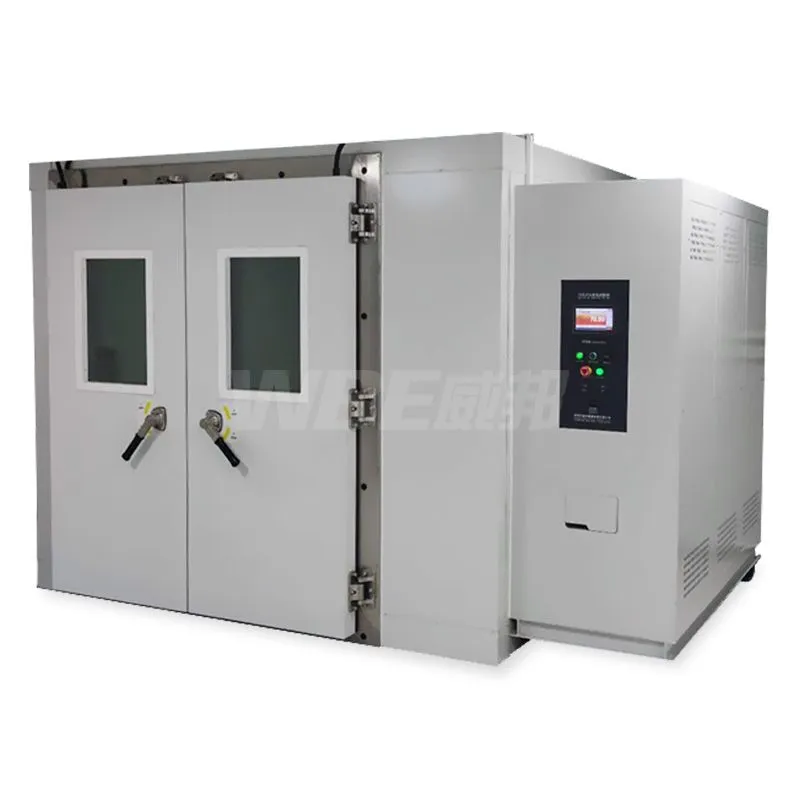
In the contemporary landscape of high-tech manufacturing, the reliability of electronic components, automotive parts, and aerospace materials is non-negotiable. To ensure these products survive the rigors of real-world use, engineers rely on sophisticated testing equipment.
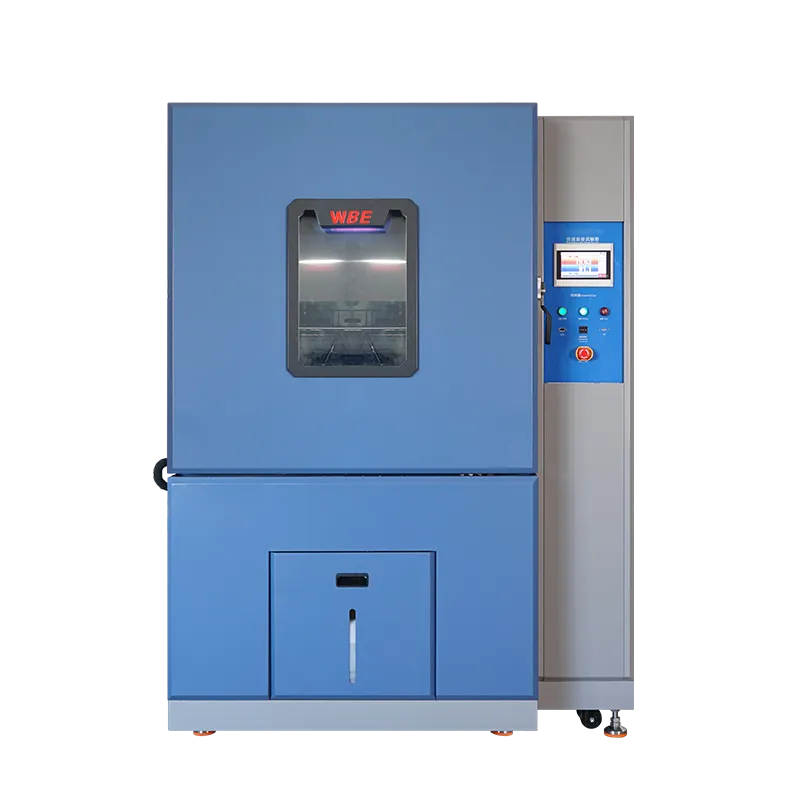
In the contemporary landscape of high-precision manufacturing and electronics development, ensuring the absolute reliability of products is not just an advantage; it is a necessity.
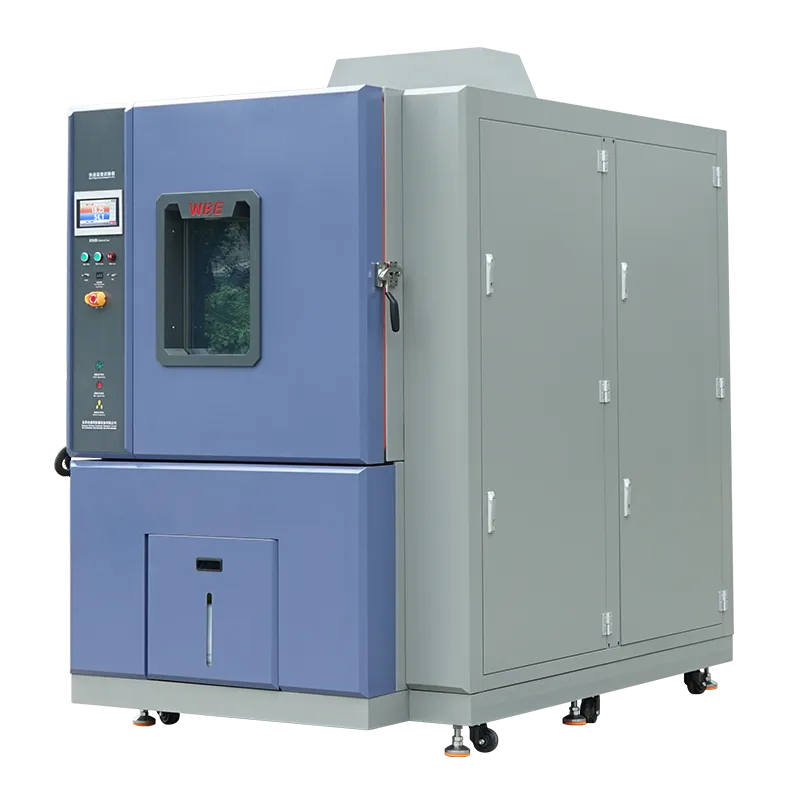
In the modern manufacturing landscape, ensuring that a product can withstand the rigors of its intended environment is not just a luxury—it is a legal and commercial necessity. Environmental test chambers serve as the primary defensive line against premature product failure. These sophisticated enclosures allow engineers to simulate a vast array of atmospheric conditions, from the freezing temperatures of the stratosphere to the oppressive humidity of a tropical rainforest.
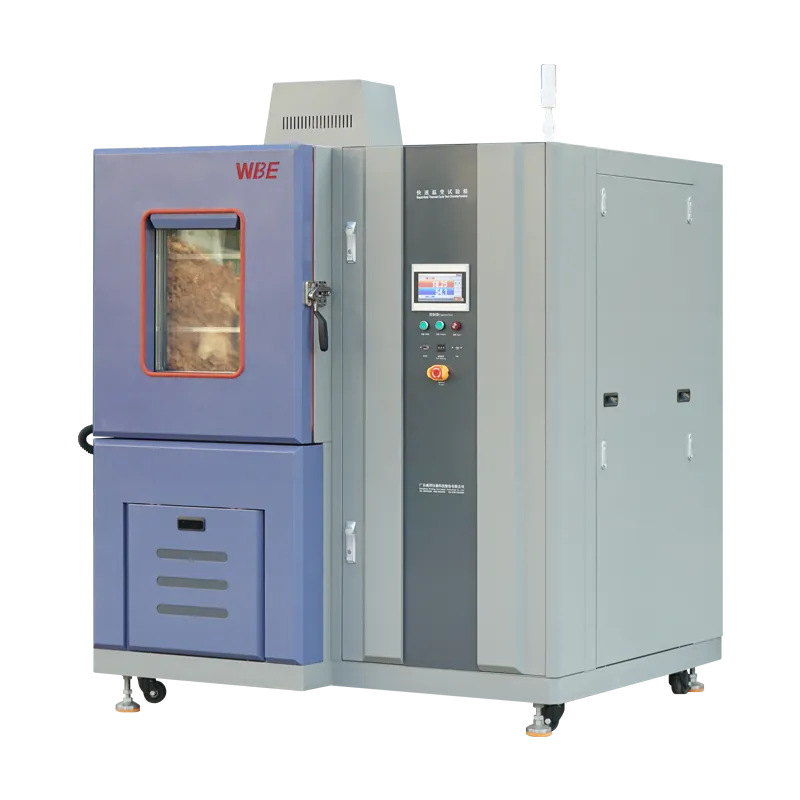
An in-depth exploration of the technology, mechanics, and industrial significance of environmental simulation in modern product reliability and quality assurance.
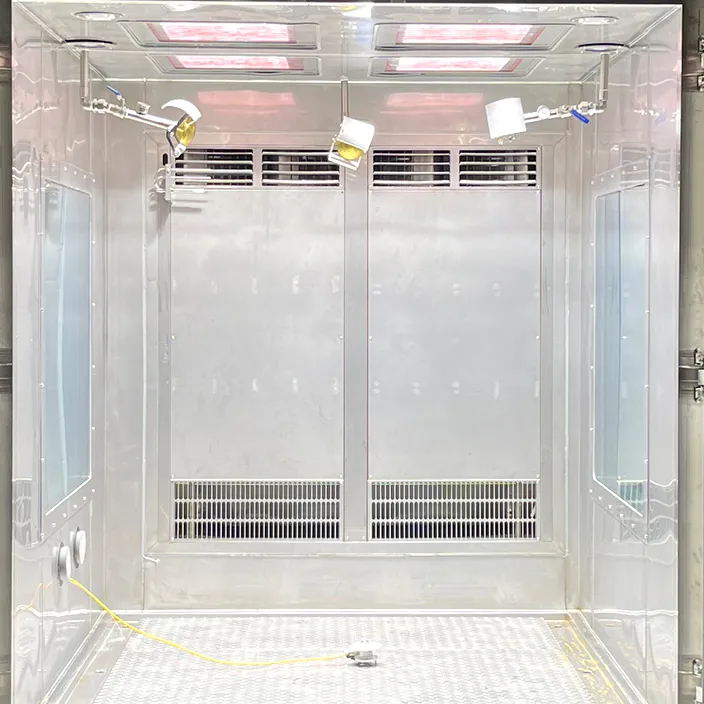
A comprehensive guide to understanding technical specifications and reliability standards in modern material analysis.
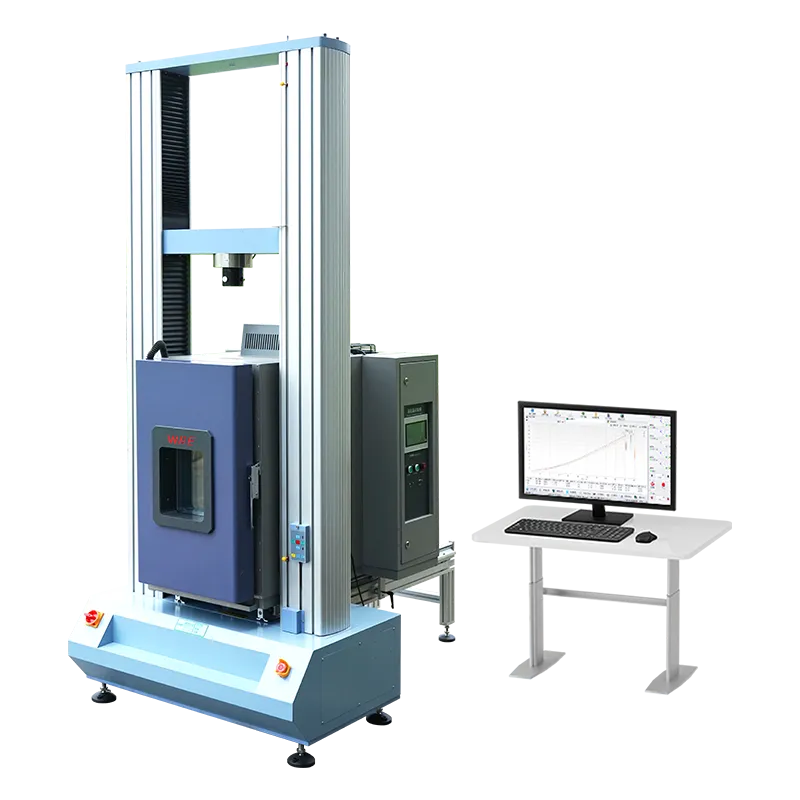
The evolution of modern manufacturing is deeply intertwined with the development of high-performance polymers and composite materials. From aerospace components to everyday consumer electronics, the reliability of these materials is paramount. To ensure that these substances can withstand the rigors of their intended environments, engineers rely heavily on a sophisticated mechanical testing machine.
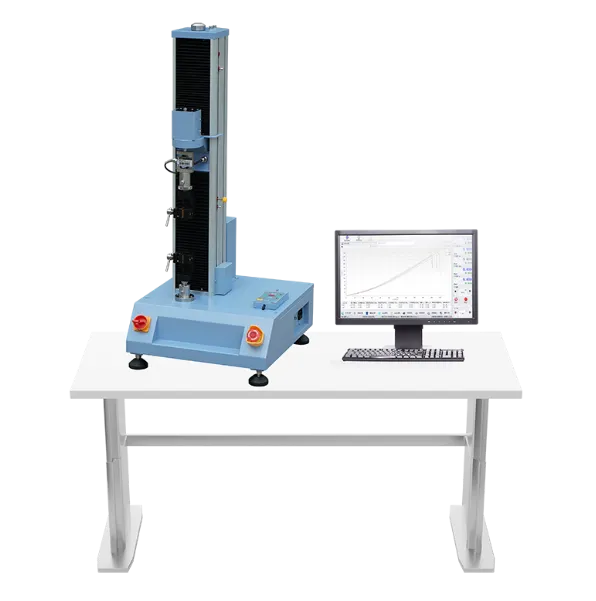
In the modern industrial landscape, the reliability of products under extreme conditions is non-negotiable. For manufacturers in the aerospace, automotive, and telecommunications sectors, standard benchtop chambers often fall short when testing large-scale components or entire systems.
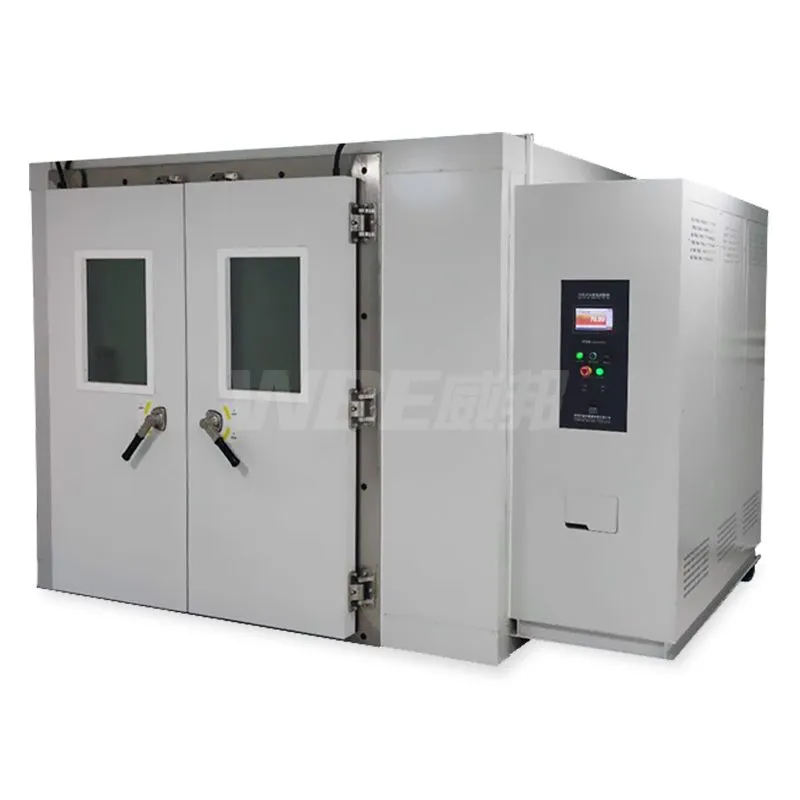
A comprehensive guide to understanding the engineering, applications, and strategic value of large-scale climatic simulation systems in modern manufacturing.
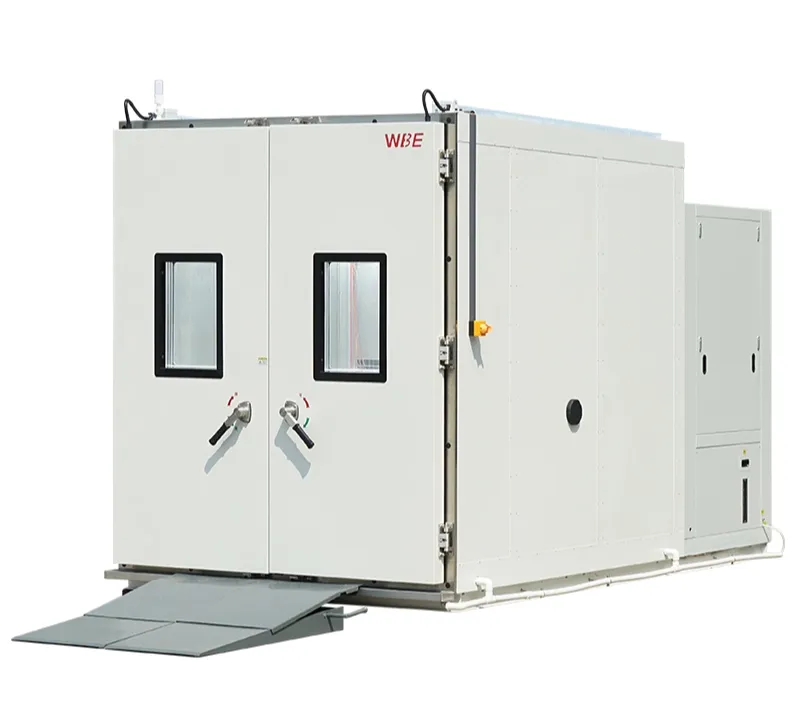
A comprehensive guide exploring the engineering intricacies and professional strategies for high-performance environmental testing equipment.
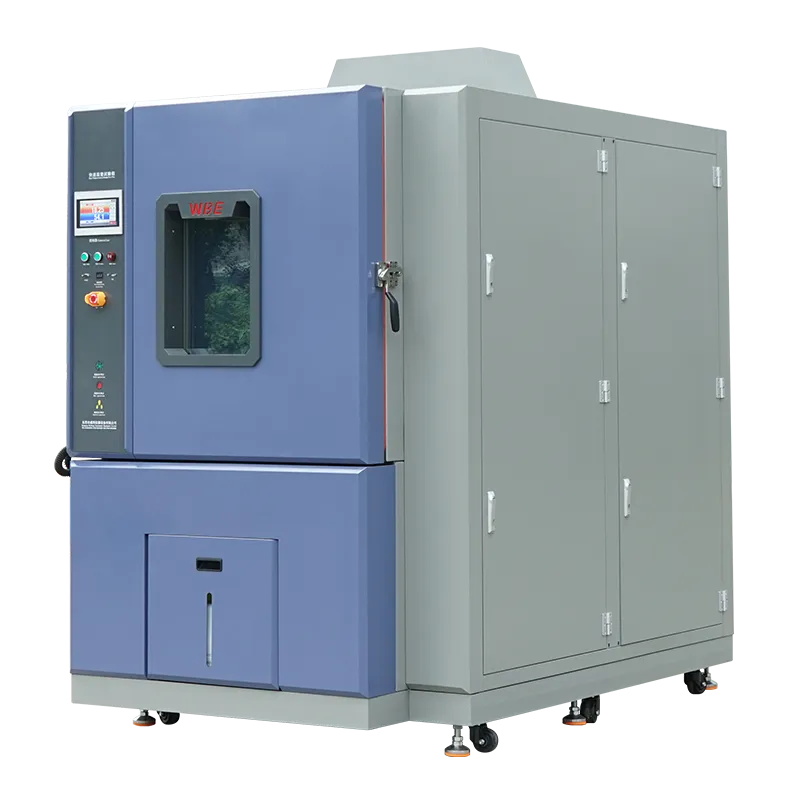
In the fast-paced world of semiconductor manufacturing, ensuring the reliability of integrated circuits is paramount. As components become smaller and more powerful, they also become more susceptible to thermal stress and latent defects.
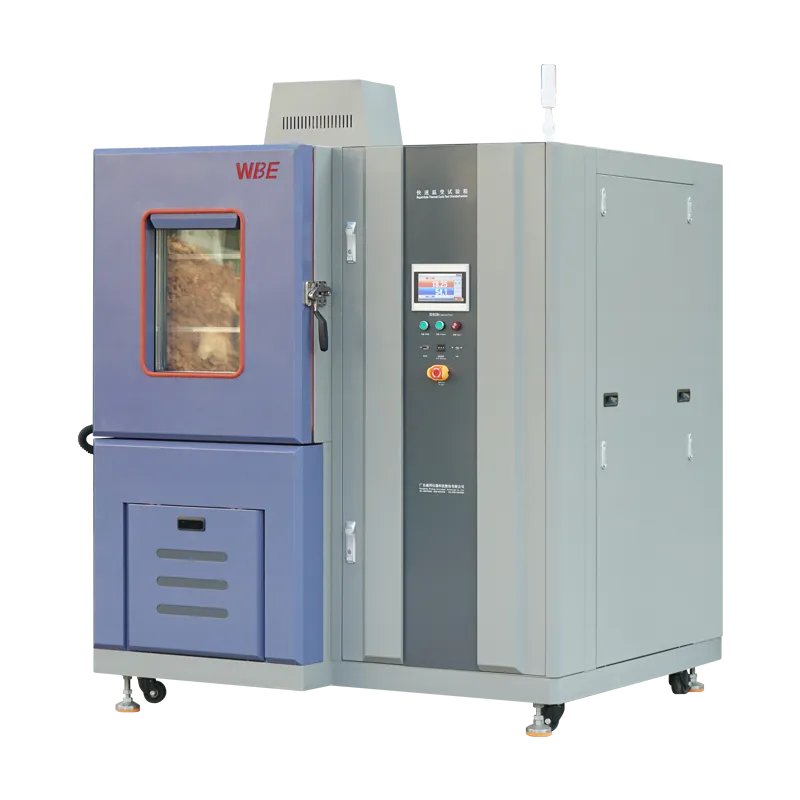
A comprehensive guide to simulation technology, reliability standards, and advanced industrial testing solutions.
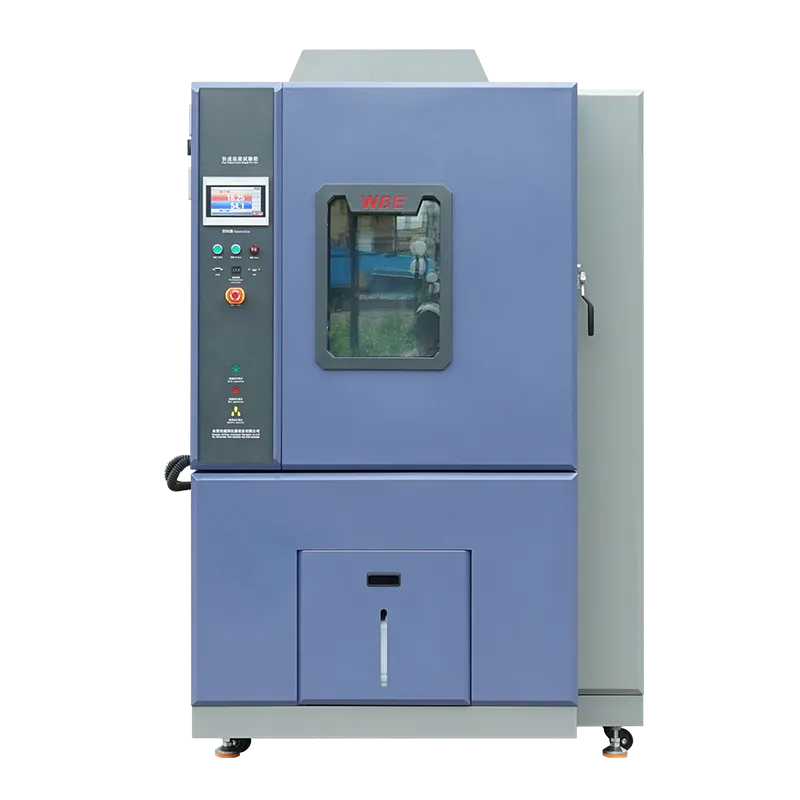
A comprehensive guide to understanding reliability testing through advanced climatic simulation and thermal stress analysis.
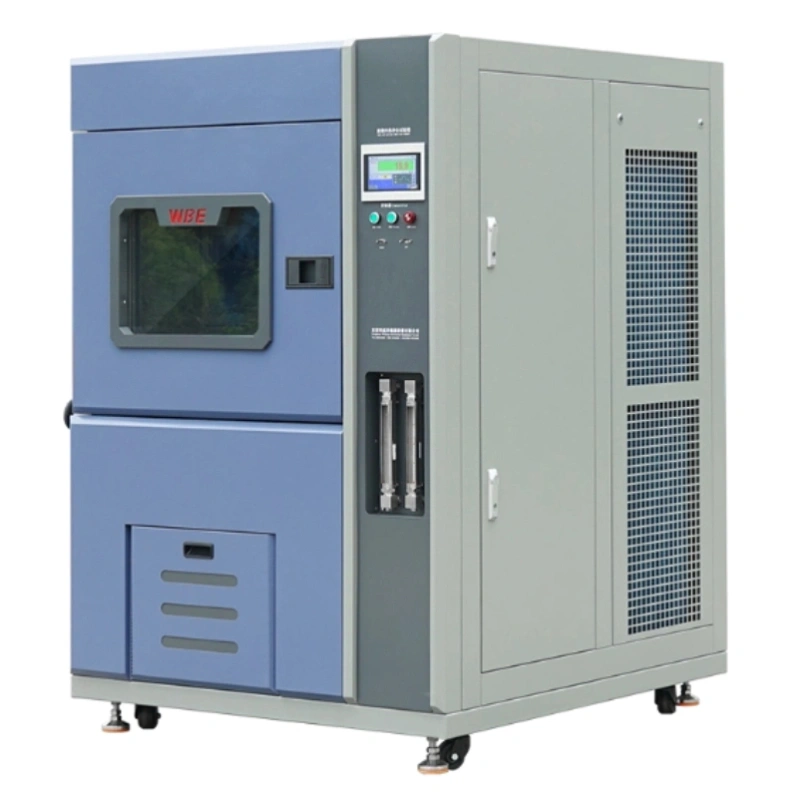
في مشهد التصنيع المعاصر، حيث تتقلص دورات حياة المنتج وتتزايد توقعات المستهلكين للجودة بشكل كبير، برز اختبار الحياة المعجل (ALT) كحجر الزاوية في التميز الهندسي.
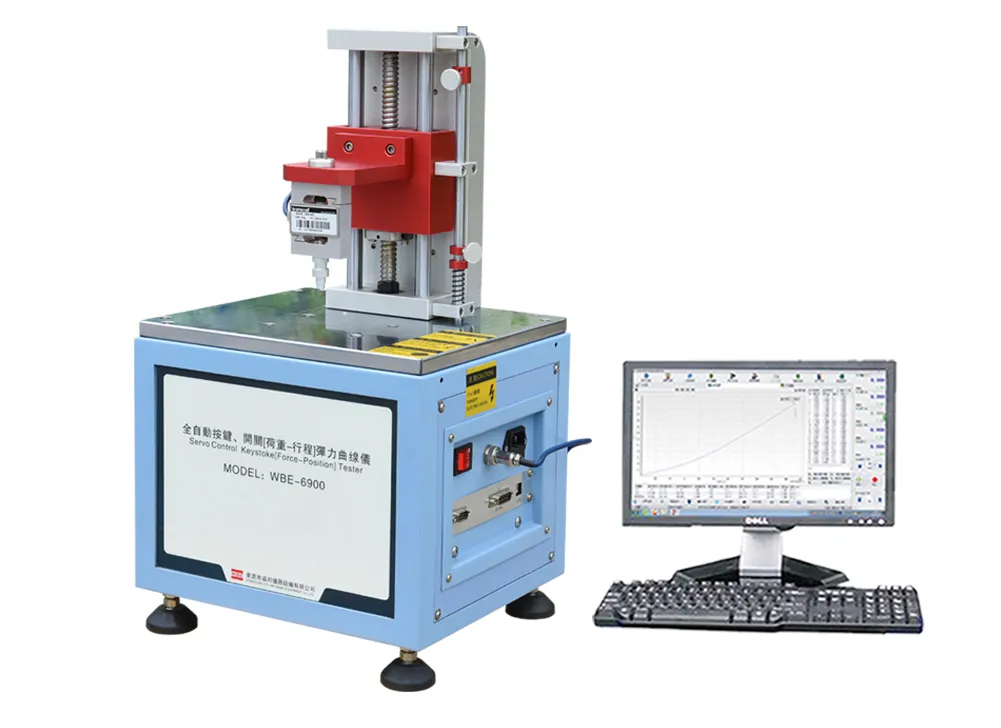
Ensuring the safety, durability, and performance of modern automotive systems through advanced environmental and mechanical simulation.
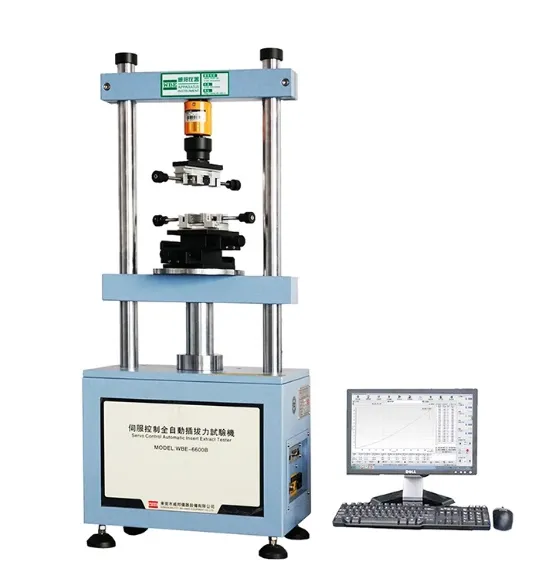
في المشهد الحديث لتصنيع الإلكترونيات عالية الدقة، تعد الموثوقية حجر الأساس لسمعة العلامة التجارية وسلامة المستهلك. ومع صغر حجم الأجهزة وقوتها ودمجها في البنية التحتية الحيوية مثل حساسات السيارات وإلكترونيات الطيران الفضائي، فإنها تتعرض لظروف بيئية أكثر قسوة.
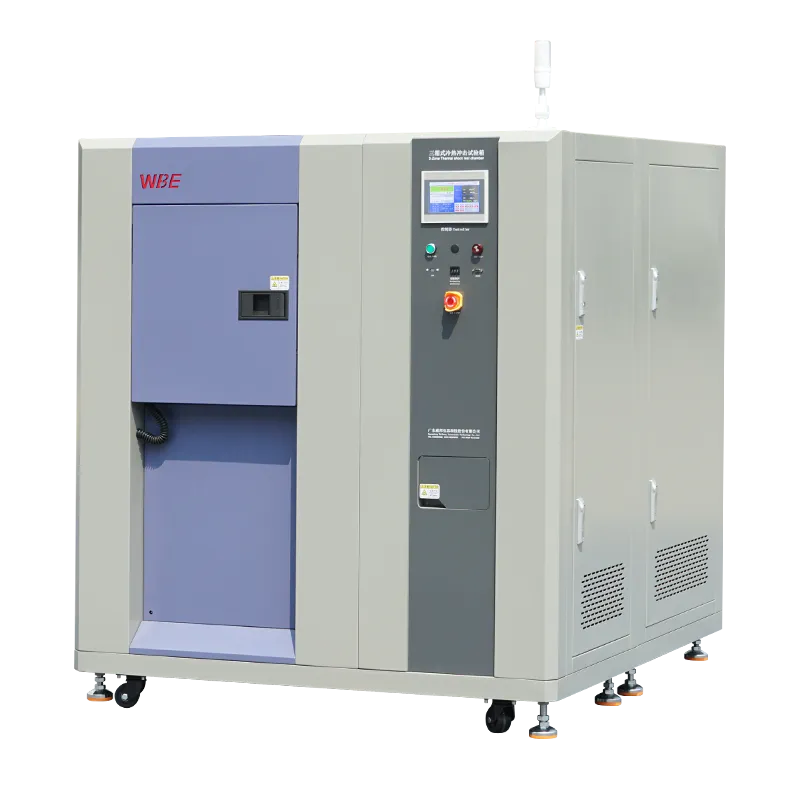
في المشهد المتطور بسرعة لتصنيع الإلكترونيات، تعد الموثوقية حجر الأساس لسمعة العلامة التجارية وسلامة المستهلك.
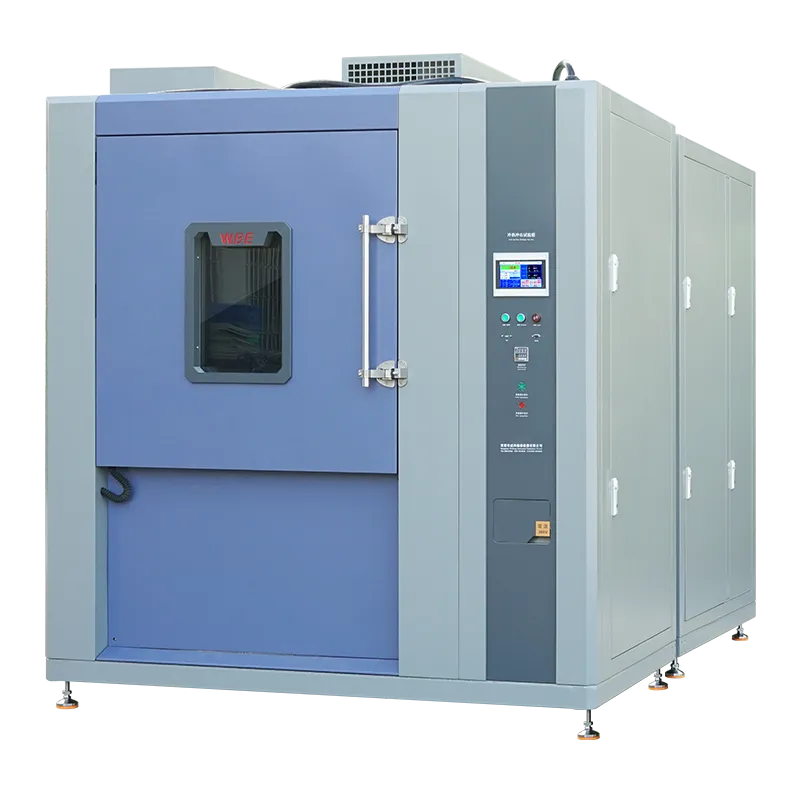
في مشهد التصنيع الحديث، لا سيما في قطاعات أشباه الموصلات والإلكترونيات الدقيقة، وصل الطلب على الدقة إلى مستويات غير مسبوقة. مع تقلص حجم المكونات، تصبح القوى المطلوبة للتحقق من سلامتها الميكانيكية أكثر دقة.